
Loading...


LACK OF INFRAESTRUCTURE
Local medical facilities lack the necessary resources to provide decent service.

FINANCIAL RESOURCES
Medical consultations, medications and transportation costs are unaffordable for many families.

LONG DISTANCES
31% of the rural population has to travel more than 30 km to receive medical care.


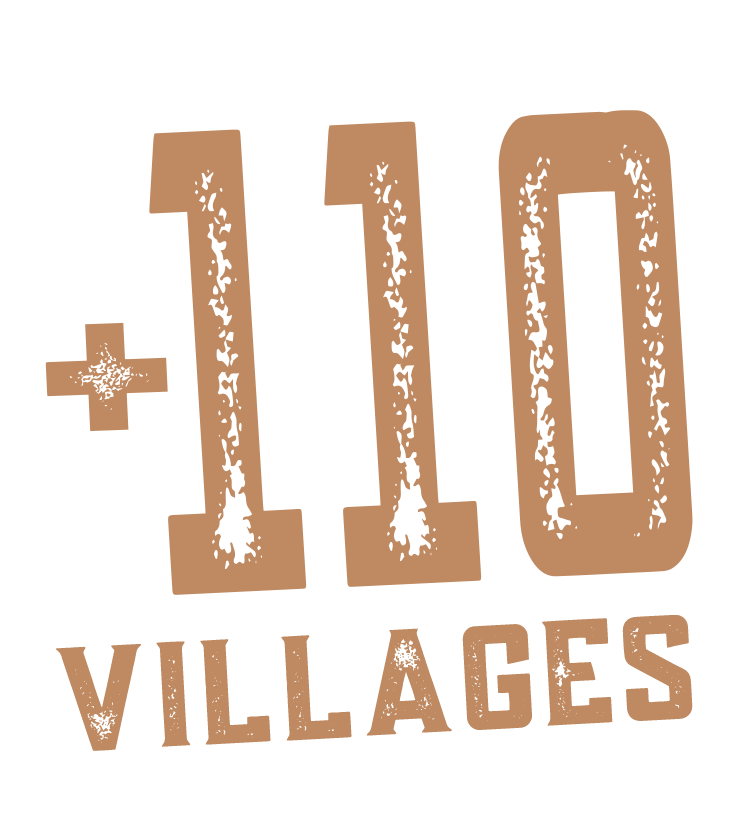
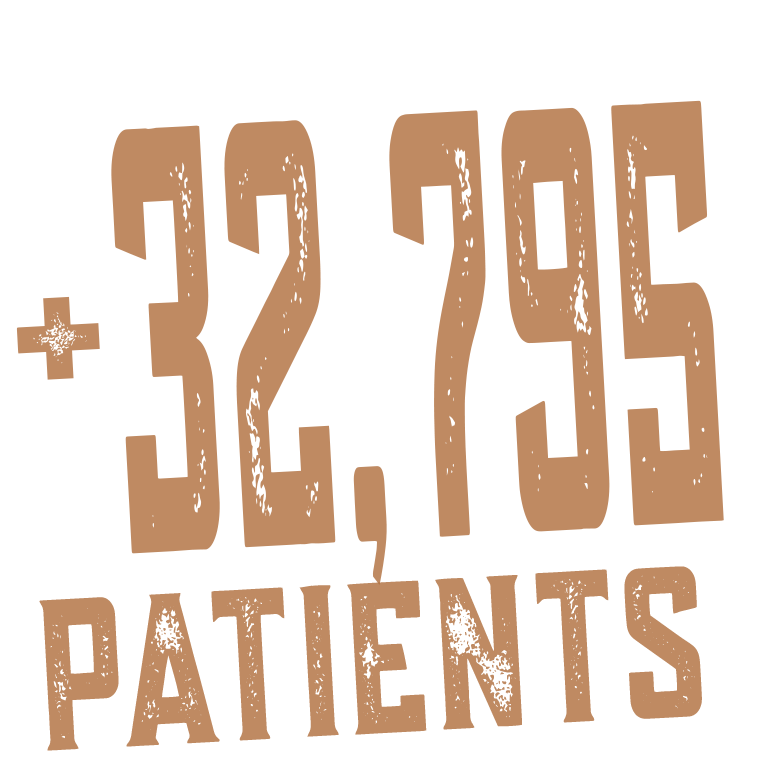
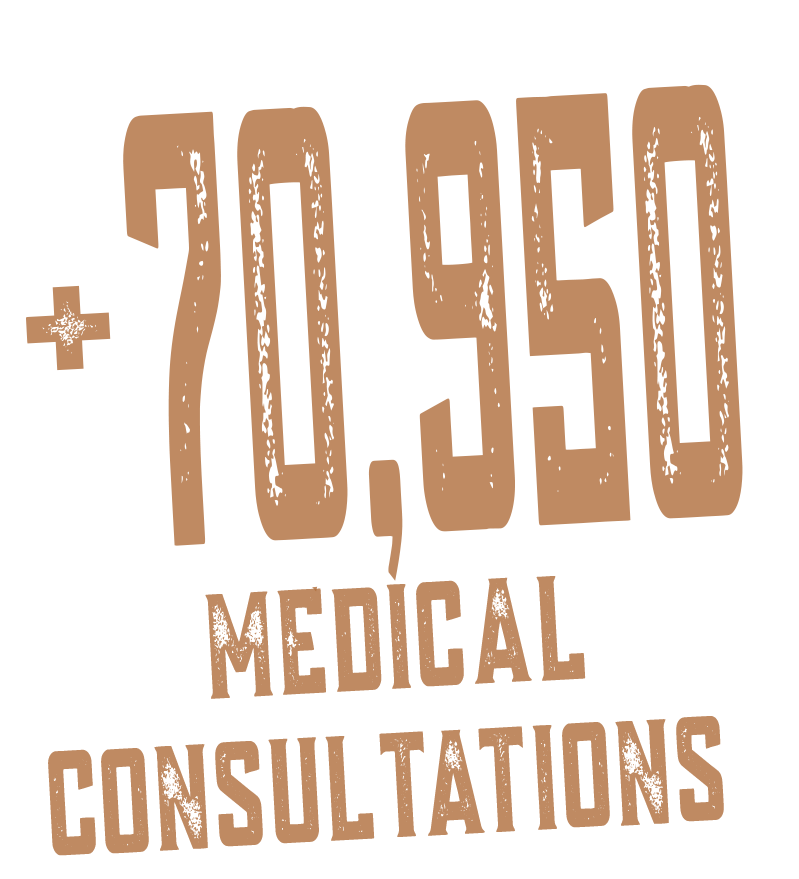
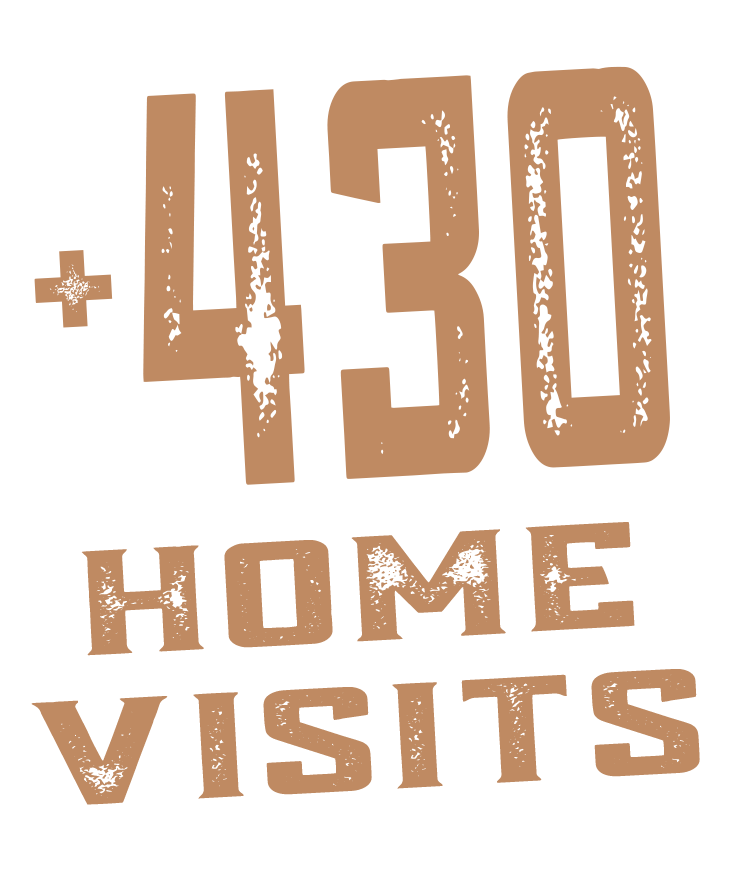







FEMININE HYGIENE EDUCATION FOR ADOLESCENTS
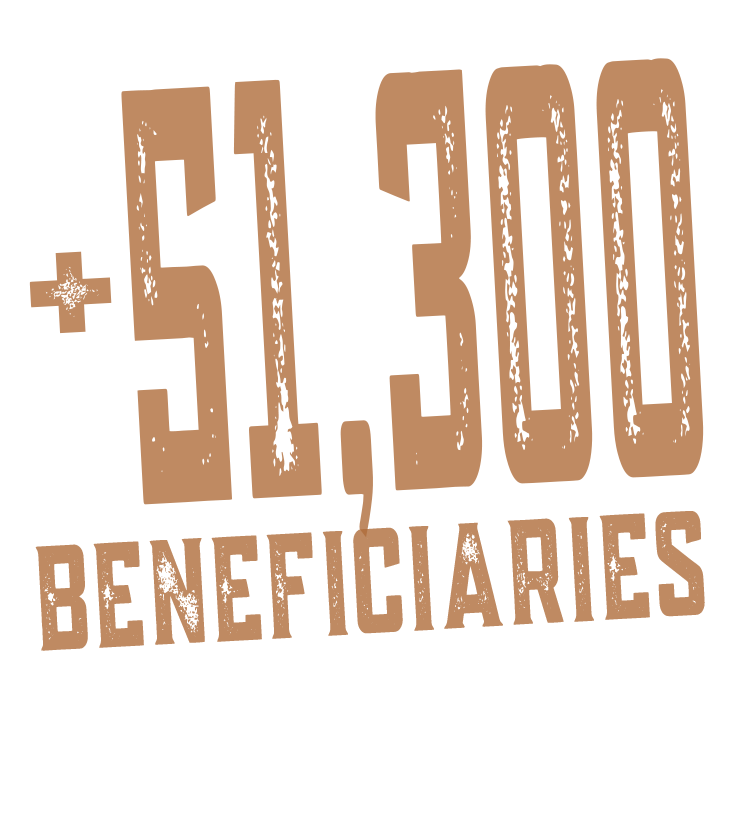
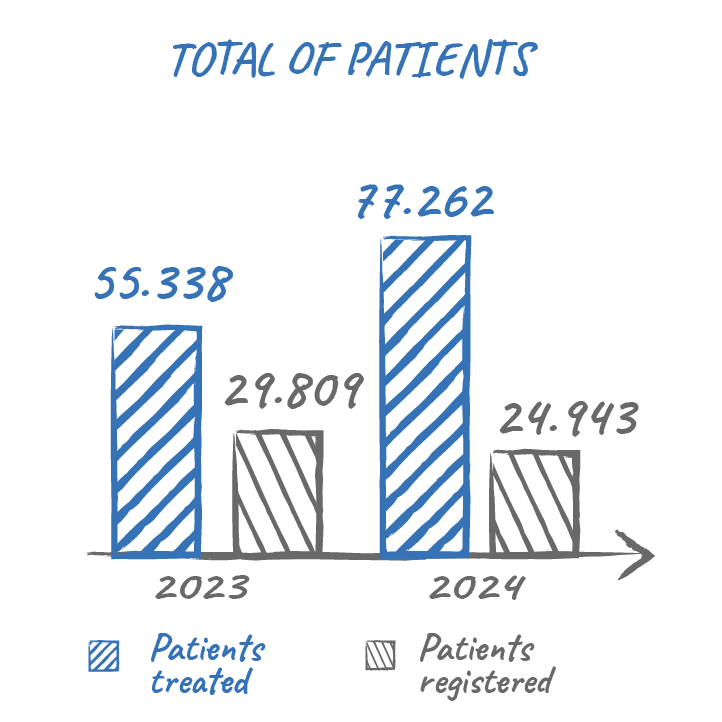
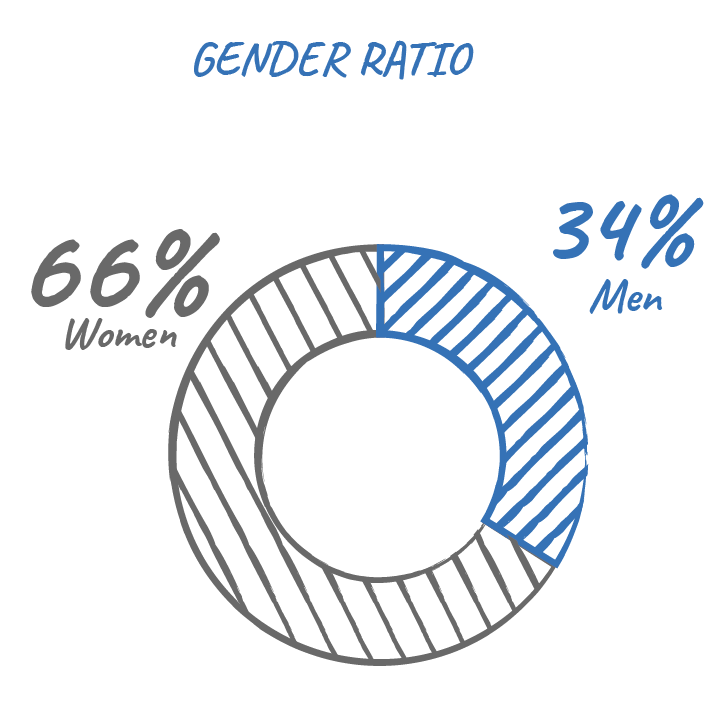
Most of the patients treated by the mobile units are women, who often face greater barriers to accessing medical care. Thanks to the mobile units, many women are now able to receive regular treatment and preventive consultations, which has significantly improved their health and well-being.

SUPPORT FOR THE ELDERLY AND PEOPLE WITH DISABILITIES
These groups often encounter additional difficulties in accessing medical care. The mobile units not only provide medical services in their homes, but also educate communities about the importance of inclusion and support for these individuals. This has led to a better quality of life for many of these communities.

RAISING HEALTH AWARENESS
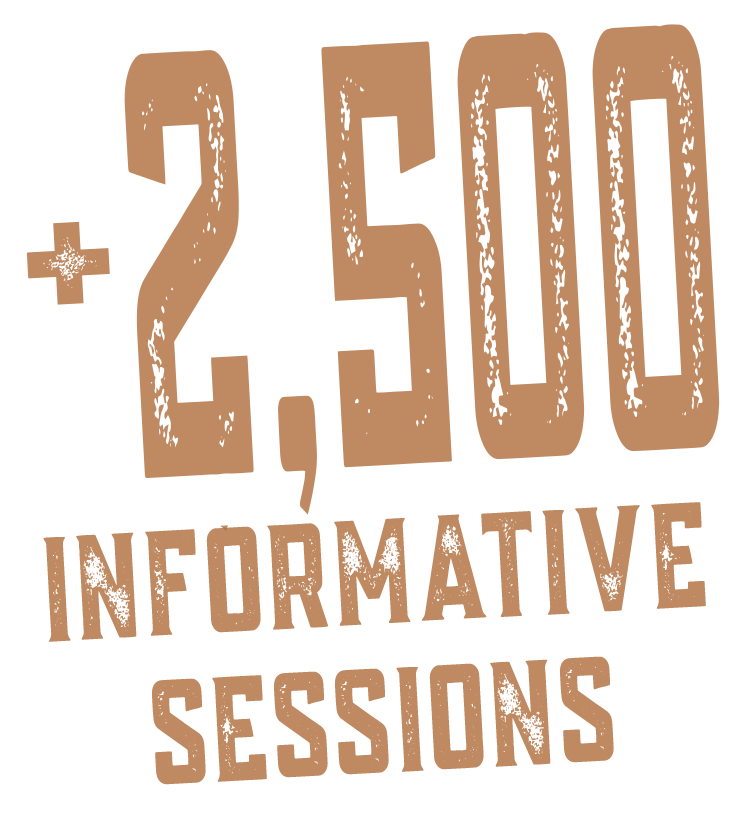
The project has also conducted 136 awareness sessions on special public health days, engaging 4,179 people. These sessions have helped educate the population about disease prevention, the importance of hygiene and other crucial health-related topics.

HEALTH CHECK-UPS ON SPECIAL DATES
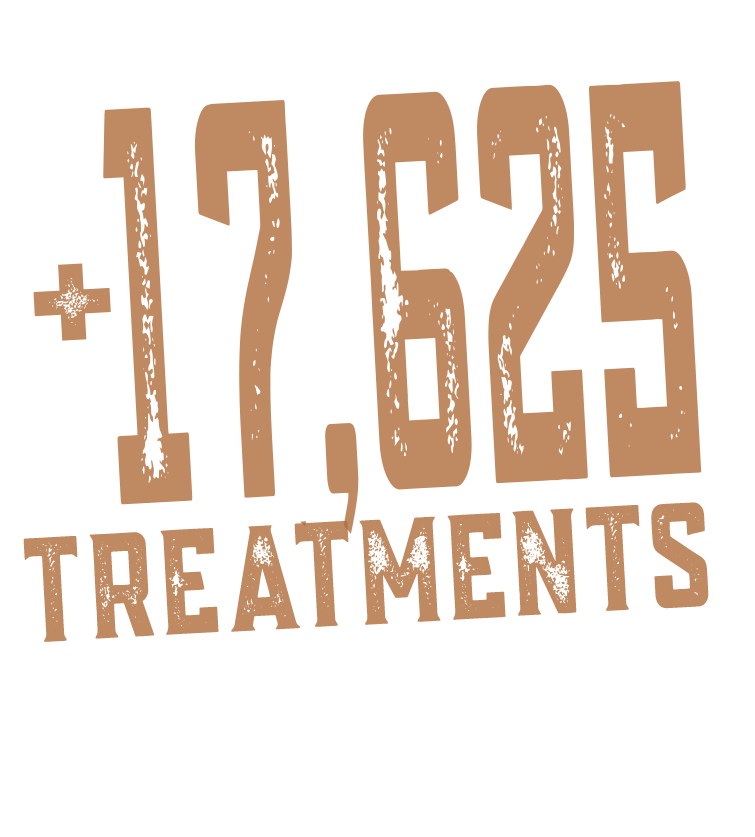
The medicalized ambulances not only respond to emergencies, but also perform preventive medical check-ups, such as eye examinations for truck drivers, helping to detect health problems and providing care in remote areas.
© 2025

info@roadis.com